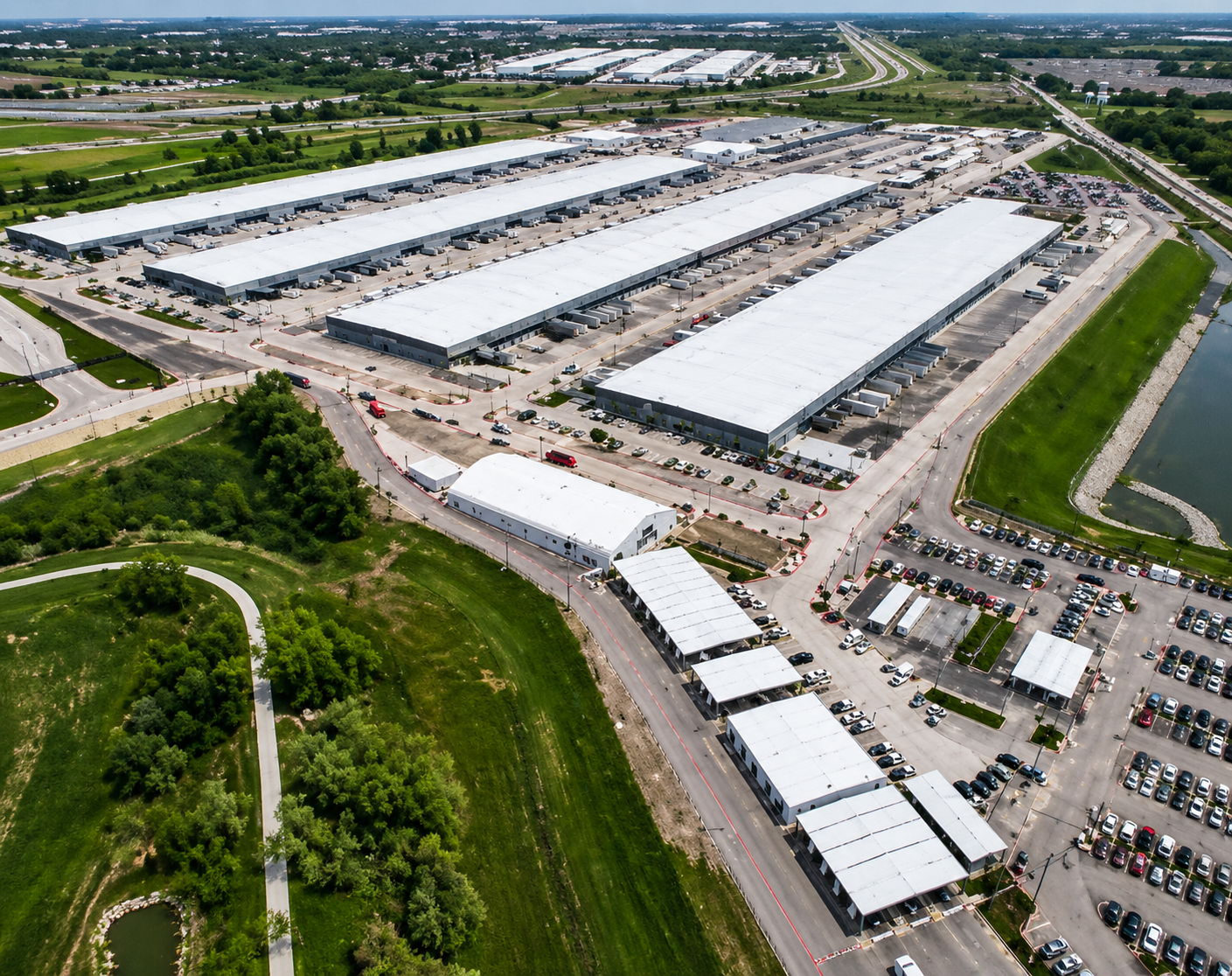
A good fit is any large facility with controllable load that can be adjusted for limited windows without putting safety, quality, comfort, or uptime at risk. Industry matters less than how the site operates.
Fit usually comes down to three questions:
-
Can the site reduce or shift a meaningful amount of load for a defined window?
-
Can the site do it consistently across shifts and staffing changes?
-
Can the organization measure performance and reconcile outcomes without manual rebuilds?
Facilities often have more flexibility than they expect, but it sits in the supporting systems and scheduling levers, not the core process. Strong programs start conservative, prove repeatability, then expand the action list only after site leaders are comfortable.
A portfolio view can also improve fit. A single site may have limited flexibility on its own. A group of sites can spread the response across different operating profiles, which reduces strain on any one facility. That approach also helps procurement and finance because it creates a more stable, repeatable result set.
Rodan starts with a scoped assessment: review bills, confirm interval data access, document operating limits, and identify realistic actions. The output is a prioritized site list, a draft playbook per site, and a clear path for demand response participation where it makes sense.